Why the sinus matters
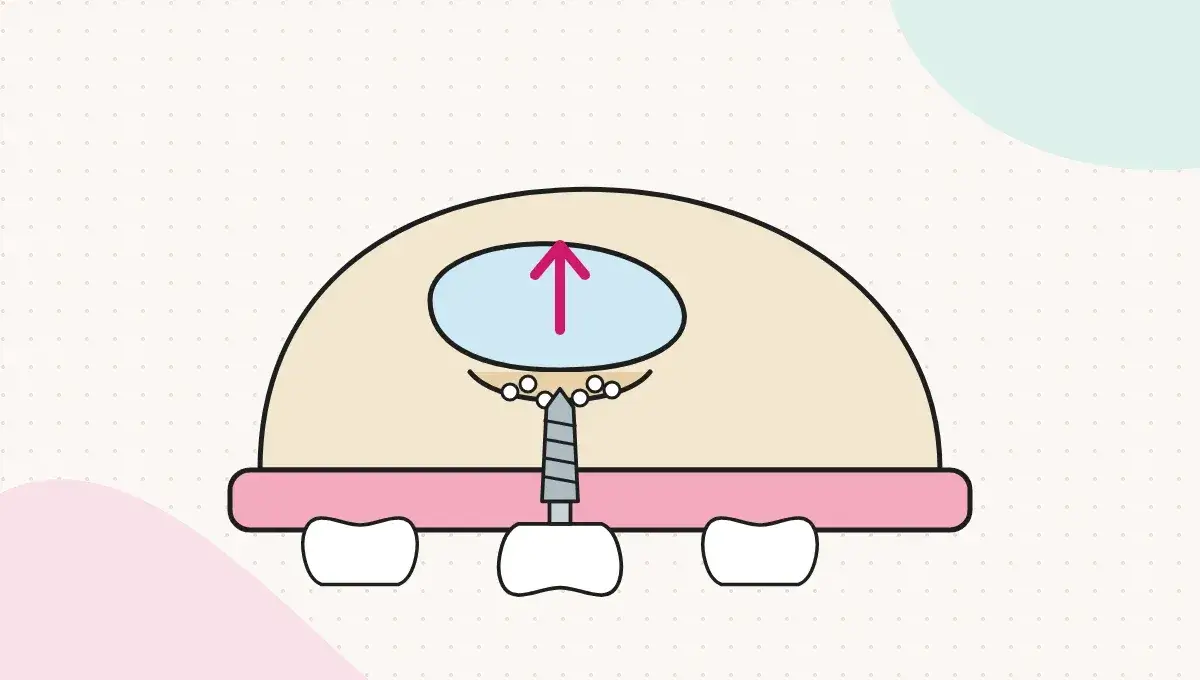
The maxillary sinuses sit above the upper back teeth. After tooth loss, the available bone height can be limited. A sinus lift is a grafting procedure that creates space beneath the sinus membrane so bone can heal in an area planned for implants.
How the decision is made
A three-dimensional scan helps the clinician assess bone height, sinus shape and possible disease. Some smaller grafts can be performed through the implant site; larger deficiencies may need a lateral approach. Implants may be placed at the same appointment or after graft healing, depending on stability and anatomy.
Risks and recovery
Possible complications include membrane perforation, infection, bleeding, graft failure and sinus symptoms. Follow advice about nose blowing, sneezing, flying, medication and activity. Tell the clinic about recurrent sinus problems and seek medical assessment if symptoms are persistent or severe.
Questions to ask
Ask what graft material is proposed, whether an ear, nose and throat opinion is needed, whether implants are simultaneous, the expected healing interval and how complications will be managed after you return home.
Related: Dental implants in Turkey · Bone grafting for dental implants · Dental implant planning timeline
This page is general information, not a diagnosis. Treatment suitability, timing and alternatives can only be confirmed after clinical examination and imaging.