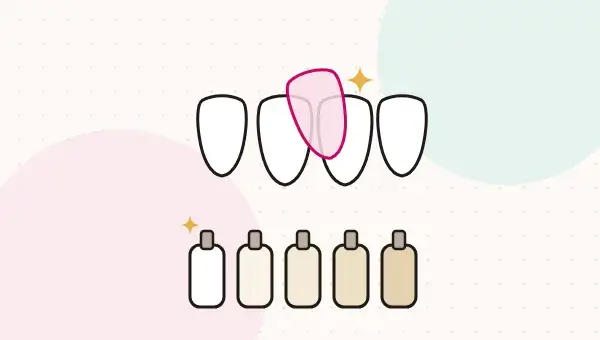
Veneers can change selected aspects of colour, shape and proportion, but the safest starting point is not a standard number of teeth or a celebrity photograph. It is an examination of enamel, tooth position, gums, bite and existing restorations, followed by a design that explains how much preparation is required.
What E-max means
E-max refers to a lithium disilicate ceramic system that can be used to make veneers and other restorations. 'Laminate veneer' describes a thin facing; the terms are related but not identical.
Minimal-prep is case-specific
Teeth that sit inward or need additive contour may need very little preparation. Teeth that are prominent, dark or crowded may need more reduction or a different treatment. A no-prep promise made before assessment can lead to bulky restorations.
The value of a mock-up
A diagnostic design or mock-up helps review tooth length, proportions, speech and smile display. It is a communication tool, not a guarantee that every proposed detail will be identical in the final ceramic.
Veneers versus bonding and orthodontics
Composite bonding may be more repairable and additive. Orthodontics changes tooth position. Whitening changes natural tooth colour. These options can sometimes meet goals with less irreversible treatment.
Maintenance and future replacement
Ceramic veneers resist many stains but can chip, debond or need replacement. Gum recession and changes to natural teeth can affect appearance. Hygiene and bite protection remain important.