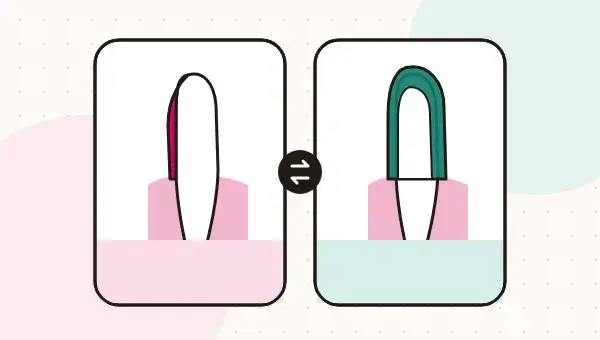
The phrase 'Turkey teeth' is widely used in the UK, but it does not describe one clinical procedure. Some patients receive veneers, some receive crowns, and others receive a mixture of restorative and cosmetic treatments. Knowing the difference is essential because the amount of tooth coverage and preparation is not the same.
What a veneer covers
A veneer is bonded mainly to the front surface of a tooth and is generally considered for aesthetic changes in suitable teeth. It relies on appropriate enamel and bite conditions.
What a crown covers
A crown surrounds the prepared tooth more extensively. It may be indicated when a tooth is structurally compromised, heavily restored or needs full coverage. Using crowns on healthy teeth purely for speed requires careful discussion of alternatives.
Why preparation cannot be reversed
Once enamel or dentine is removed, the tooth will continue to need restoration. Patients should be told the proposed preparation, alternatives and possible future maintenance before consenting.
Red flags in marketing
Be cautious with guaranteed pain-free treatment, identical packages for everyone, exact results promised from photos, pressure to pay a deposit immediately, and unclear language about crowns versus veneers.
A safer decision process
Obtain an independent dental assessment, request a tooth-by-tooth plan, ask what can be left untreated, review mock-ups where appropriate, and take time to consider risks and alternatives.