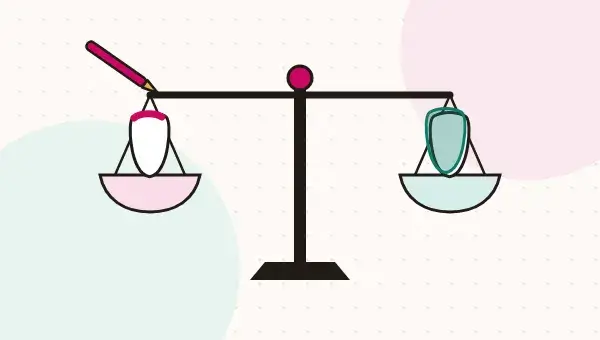
Composite bonding and ceramic veneers can both change tooth shape, but they use different materials and workflows. The best choice depends on the size of the change, existing enamel, bite, colour goals, willingness to maintain the work and preference for repairability versus colour stability.
Tooth preparation
Bonding is often additive and may need little or no reduction. Veneers may require controlled enamel preparation to create space and a stable contour. Neither treatment should be selected before examining tooth position and bite.
Appearance and staining
Ceramic offers optical properties and colour stability that can be useful for larger aesthetic changes. Composite can look excellent but may stain or lose polish more readily and benefit from periodic maintenance.
Repair and replacement
Composite can often be repaired directly. Ceramic repairs may be more limited, and a damaged veneer can require replacement. Both options need long-term care.
When orthodontics may be better
If the main problem is tooth position or crowding, orthodontics may correct the cause rather than camouflage it with additional material.
How to decide
Ask for diagnostic records, alternative plans, intended preparation, number of teeth, bite risk, maintenance schedule and likely future costs.